

Architectural Visualization: Definition, Purpose, and Modern Applications
Architectural visualization has transformed the way architecture is imagined, communicated, and experienced in the modern world. What once relied primarily on static renders and printed presentation boards has evolved into immersive spatial experiences, real-time simulations, and interactive platforms that allow users to step inside a project long before it is built.
In today’s digital landscape, this discipline is no longer just a design support tool—it has become a strategic communication medium. Developers use advanced visualization workflows to attract investors. Real estate marketers depend on digital architectural experiences to pre-sell properties. Architects rely on real-time rendering environments to refine spatial decisions. Clients increasingly expect cinematic presentations and fully explorable virtual environments rather than single still images.
The shift from static representation to dynamic, real-time systems is not simply a technological upgrade. It reflects a deeper transformation in how architecture is perceived, marketed, and emotionally understood. As expectations rise and technology advances, architectural visualization continues to blur the boundary between concept and reality.
Architectural visualization is the art and science of transforming architectural concepts into compelling visual experiences before they are physically constructed. At its core, it translates technical drawings, BIM models, and CAD files into realistic images, animations, and digital environments that communicate spatial intent with clarity and emotion.
Today, this field is powered by advanced CG (Computer Graphics) and CGI (Computer-Generated Imagery) technologies. Through high-end 3D modeling, material simulation, global illumination, and physics-based lighting systems, designers can replicate real-world conditions with remarkable precision. Every shadow, reflection, texture, and atmospheric nuance is crafted using sophisticated rendering engines and computational algorithms that enhance realism and spatial accuracy.
A professional architectural visualization studio typically relies on industry-standard tools such as 3ds Max, Blender, Cinema 4D, SketchUp, and Rhino for modeling; V-Ray and Corona Renderer for photorealistic output; and Unreal Engine or Unity for real-time rendering environments. These platforms make it possible to produce immersive spatial experiences, cinematic animations, and fully interactive digital walkthroughs.
This discipline now extends far beyond static imagery. Real-time systems allow instant material swaps, lighting adjustments, and environmental changes without lengthy re-rendering processes. Meanwhile, virtual environments for architecture simulate real-world spatial behavior, enabling clients to explore projects actively rather than passively observe them.
Contemporary workflows typically include:
Static photorealistic renders – High-resolution still imagery.
Cinematic visualization films – Narrative-driven animations with dynamic camera movement.
Interactive experiences – Clickable or navigable digital environments controlled by the user.
Real-time rendering platforms – Engine-based systems with dynamic lighting and live feedback.
Immersive virtual environments – Fully explorable spaces that replicate environmental and spatial conditions.
The purpose of architectural visualization is not purely aesthetic. It supports design validation, stakeholder alignment, investor persuasion, and high-impact marketing strategies. In luxury real estate, hospitality, mixed-use developments, and urban master planning, it has evolved into a strategic business instrument rather than a simple presentation asset.
As CG and CGI technologies continue to advance—and as real-time engines increasingly merge architecture with gaming-level interactivity—the discipline is shifting from still imagery toward immersive and responsive spatial worlds.
And this evolution makes one thing clear: static renders alone can no longer meet the expectations of contemporary architectural communication.
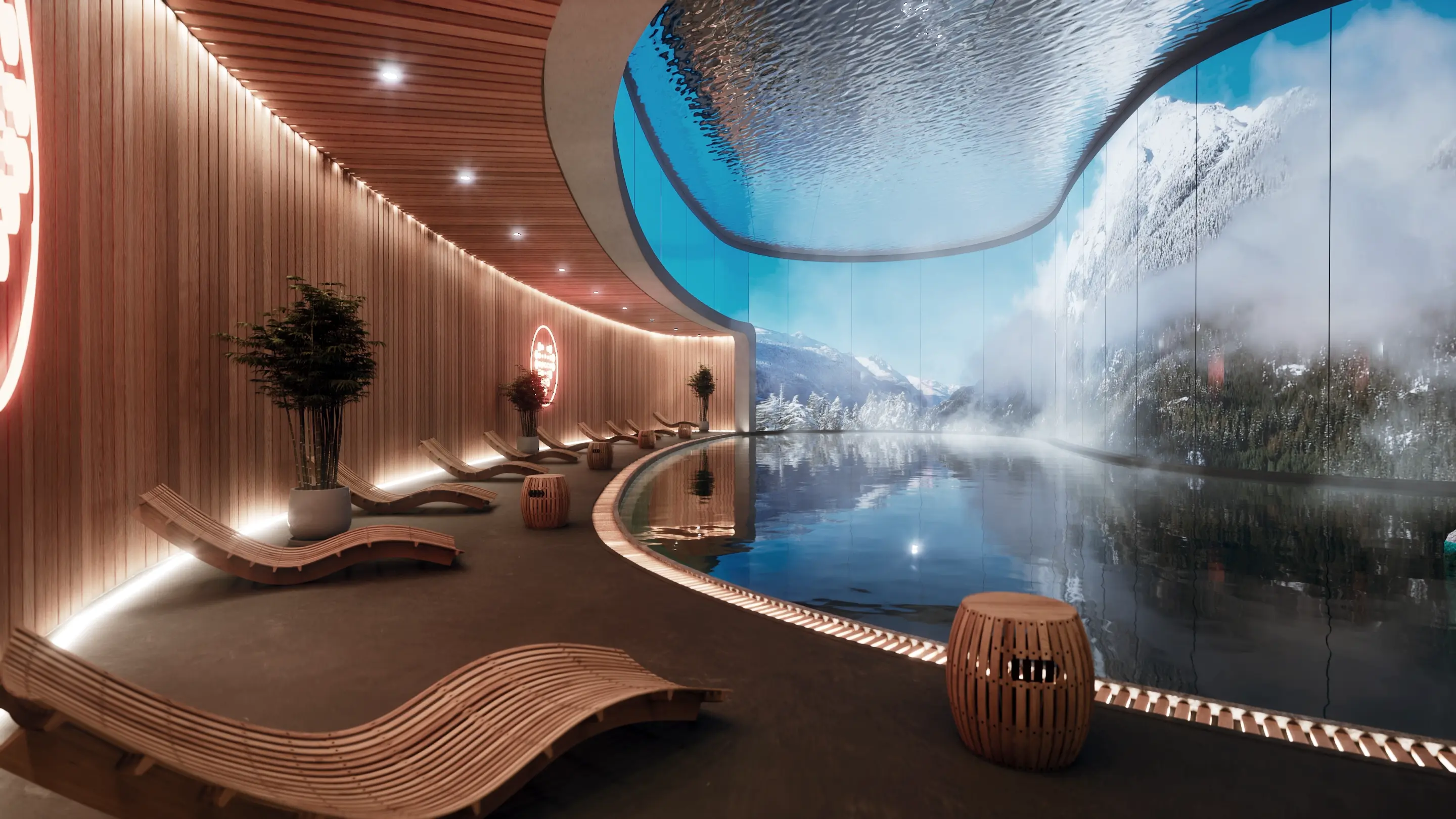
Why Static Renders Are No Longer Enough
“The future of architectural design and 3D architectural visualization allows for projects to be designed, revised, and refined in real time prior to building. “(autodesk) For decades, static renders defined architectural visualization. A carefully composed still image—perfect lighting, dramatic sunset, polished materials—was considered the pinnacle of presentation. But the expectations of clients, investors, and buyers have fundamentally changed. In today’s competitive market, architectural visualization must do more than impress—it must immerse.
Static renders present a fixed perspective. They show one curated angle, one lighting scenario, one frozen moment in time. While they remain valuable for brochures and hero visuals, they cannot communicate spatial flow, user interaction, or environmental dynamics. Modern audiences want to move through a space, not just look at it.
This shift is largely driven by digital culture. Consumers are accustomed to interactive media, gaming environments, and real-time experiences. As a result, immersive architectural visualization and interactive architectural visualization now align better with contemporary user expectations. A buyer evaluating a luxury residence wants to explore every corner. A developer pitching to investors wants to demonstrate flexibility and material options in real time. Static imagery simply cannot deliver that level of engagement.
Another limitation of traditional still images is decision-making efficiency. In static architectural visualization, design changes require re-rendering—often a time-consuming and costly process. By contrast, real-time architectural visualization allows instant modifications to finishes, lighting conditions, and even layout variations. This accelerates design iterations and strengthens collaboration between architects, clients, and marketing teams.
Cinematic architectural visualization also surpasses static renders in storytelling power. Through camera movement, sound design, atmospheric transitions, and human-scale interaction, cinematic approaches create emotional resonance. Architecture becomes a narrative rather than a snapshot.
From a marketing perspective, static renders struggle to compete in digital campaigns. Interactive architectural visualization generates longer engagement times, higher click-through rates, and stronger emotional memory. Virtual environments for architecture allow potential buyers to experience projects remotely—an essential advantage in global real estate markets.
Importantly, the evolution of architectural visualization is not about replacing static renders entirely. Still images remain foundational. However, they are no longer sufficient as standalone tools. In a market driven by immersion, interactivity, and experiential branding, architectural visualization must evolve beyond static representation.
Architecture is no longer just presented. It is experienced.
How Real-Time and Immersive Visualization Change Architectural Communication
The evolution of architectural visualization from static imagery to immersive and real-time experiences has fundamentally reshaped how architecture is communicated. What was once a one-directional presentation is now a dynamic, participatory experience. Real-time architectural visualization transforms communication from “showing” to “engaging.”
In traditional workflows, architectural visualization functioned as a final presentation layer—something delivered after design decisions were largely fixed. Today, immersive architectural visualization is integrated earlier in the design process. Architects, developers, and stakeholders can enter virtual environments for architecture during conceptual stages, testing ideas spatially rather than interpreting them through drawings.
Real-time architectural visualization enhances clarity. Instead of explaining spatial relationships verbally or through diagrams, teams can walk through architectural visualization project together. Ceiling heights, circulation paths, sightlines, and lighting behavior become instantly understandable. Misinterpretations decrease. Approval cycles shorten. Collaboration becomes more fluid.
Interactive architectural visualization also democratizes architectural understanding. Not every stakeholder reads floor plans easily. Investors, marketing teams, and end-users often lack technical training. Immersive architectural visualization removes that barrier by translating complex architectural information into intuitive spatial experiences. Architecture becomes universally accessible.
Psychologically, immersive experiences in architectural visualization generate stronger cognitive impact than static images. When users navigate virtual environments for architecture themselves, they form spatial memory. They remember proportions, atmosphere, and movement patterns more vividly than when viewing a still render. This enhances emotional connection and decision confidence.
Cinematic architectural visualization adds another dimension: narrative sequencing. Through controlled pacing, environmental storytelling, and choreographed camera movement, architecture is framed as a lived experience. The viewer does not just observe the building—they imagine inhabiting it.
From a business standpoint, architectural visualization has shifted from a visualization output to a strategic communication platform. Real-time engines allow:
Live design workshops with instant material changes
Interactive sales centers for pre-construction developments
Remote VR presentations for international investors
Customizable buyer experiences in real estate marketing
The result is faster approvals, higher pre-sales rates, and stronger investor engagement.
In short, immersive architectural visualization and real-time architectural visualization do not merely enhance aesthetics—they redefine how architecture is understood, validated, and sold.
And as architectural communication evolves, so does the strategic importance of architectural visualization itself.

The Strategic Role of Architectural Visualization in Design and Marketing
Architectural visualization is no longer just a representational service—it has become a strategic asset in both design development and market positioning. In an industry defined by significant investment, extended timelines, and complex decision-making processes, this discipline plays a decisive role in shaping perception, accelerating approvals, and driving sales.
From a design perspective, immersive spatial experiences enhance validation and clarity. Architects can test material palettes, daylight behavior, environmental context, and circulation patterns within virtual environments before construction begins. Real-time rendering platforms enable rapid iteration, reducing costly late-stage revisions. Instead of relying solely on imagination or static imagery, stakeholders experience projects at full scale and in motion.
For developers, advanced visualization workflows function as powerful pre-construction sales engines. Interactive platforms allow buyers to explore units, modify finishes, and personalize layouts digitally—building confidence and shortening decision cycles. In competitive real estate markets, immersive experiences can directly influence purchasing behavior.
Cinematic presentation techniques strengthen brand storytelling. Luxury developments, hospitality environments, and mixed-use projects depend as much on emotional positioning as functional performance. Carefully crafted visual narratives communicate lifestyle, atmosphere, and aspiration—dimensions that static renders alone rarely capture fully.
Marketing strategies increasingly rely on real-time content for digital campaigns, social media engagement, and international investor presentations. Interactive experiences generate longer engagement times and stronger recall compared to traditional still imagery. Virtual environments enable remote audiences to explore projects without geographic constraints, significantly expanding market reach.
A forward-thinking architectural visualization studio operates at the intersection of architecture, technology, branding, and behavioral psychology. The value delivered is not merely visual—it is strategic. It supports:
Faster municipal and stakeholder approvals
Stronger investor persuasion
Higher pre-sales conversion rates
More confident design decision-making
Clear differentiation in competitive markets
As architecture becomes more experience-driven and digitally mediated, architectural visualization transforms into a measurable competitive advantage. It shapes perception long before construction begins and influences decisions at every stage of development.
For studios working at the forefront of immersive and real-time technologies, the question is no longer whether visualization matters—but how deeply it can redefine architectural experience itself.

HUUR STUDIOS’ Perspective on Contemporary Architectural Visualization
At HUUR STUDIOS, architectural visualization is not treated as a final decorative layer—it is considered a spatial intelligence system. Contemporary architectural visualization, in our perspective, must operate beyond static representation and enter the realm of immersive architectural visualization and real-time experiential design.
We believe architecture should not merely be observed; it should be entered, navigated, and emotionally understood. This is why our approach integrates cinematic architectural visualization, interactive architectural visualization, and advanced real-time architectural visualization technologies to create fully responsive virtual environments for architecture.
Rather than producing isolated still renders, HUUR STUDIOS develops spatial narratives. Every project is treated as an evolving environment—where lighting, materiality, atmosphere, and movement work together to communicate architectural intention. By leveraging powerful CG and CGI pipelines alongside real-time engines such as Unreal Engine, our architectural visualization studio builds digital environments that simulate reality with precision while allowing dynamic interaction.
Our methodology focuses on three principles:
1. Experience Before Construction
Through immersive architectural visualization, stakeholders can walk through spaces at full scale, test spatial relationships, and validate design decisions before physical execution.
2. Real-Time Adaptability
Using real-time architectural visualization workflows, materials, finishes, and environmental conditions can be adjusted instantly—turning architectural visualization into a collaborative design tool rather than a static presentation output.
3. Strategic Communication
Architectural visualization must serve both design and marketing. Cinematic architectural visualization enhances storytelling, while interactive architectural visualization increases engagement and conversion potential in real estate and investor communications.
At HUUR STUDIOS, we see architectural visualization as a bridge between architecture and perception—between technical precision and emotional resonance. As virtual environments for architecture become more sophisticated, we anticipate a future where architectural visualization is not separate from architecture itself, but an integrated dimension of its development.
The era of passive still imagery is giving way to interactive spatial worlds. And contemporary architectural visualization must evolve accordingly.
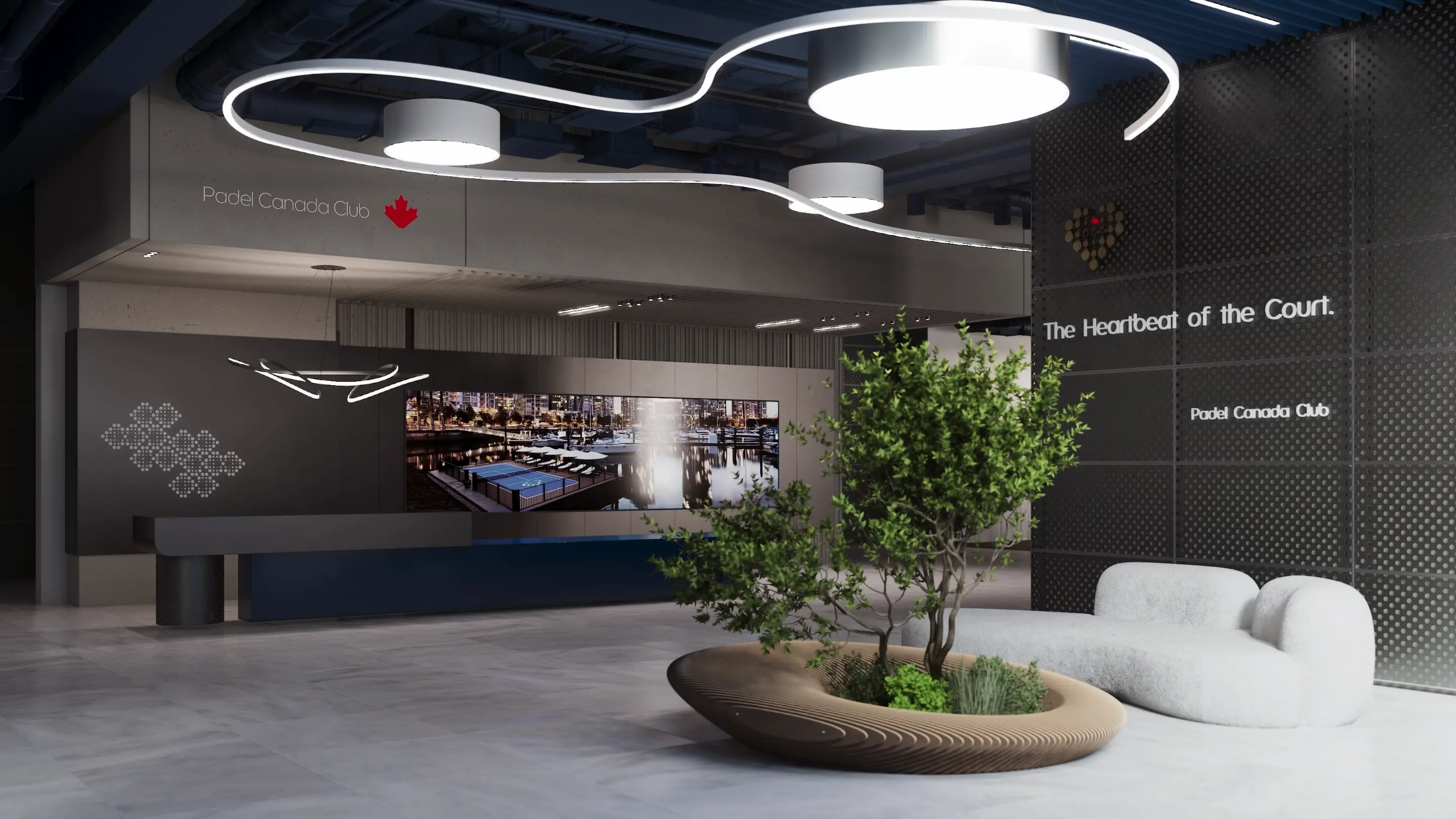
Frequently Asked Questions About Architectural Visualization
What is architectural visualization?
Architectural visualization is the process of creating digital representations of building designs before construction begins. Using advanced CG and CGI technologies, it transforms technical drawings and 3D models into photorealistic images, cinematic animations, real-time simulations, and immersive virtual environments. This allows architects, developers, and clients to understand and experience a space visually and spatially before it is physically built.
NEW POSSIBILITY
Let’s Build Something Smarter Together
The Rise of the AI Web Design Agency: What Accenture’s Research Reveals About Holiday shopping

Why are static renders being replaced in architectural projects?
Static renders are no longer sufficient because modern design communication demands interactivity, immersion, and real-time flexibility. While still images remain valuable for presentations, interactive and immersive experiences provide deeper engagement. Real-time rendering platforms allow stakeholders to explore spaces, change materials instantly, and understand spatial relationships dynamically—capabilities that traditional still imagery cannot offer. As digital expectations increase, visualization workflows have shifted from fixed images to interactive spatial experiences.
How does real-time architectural visualization work?
Real-time architectural visualization uses advanced engines such as Unreal Engine or Unity to generate interactive digital environments. Instead of pre-rendering individual images, these systems calculate lighting, materials, and spatial effects instantly. Users can navigate virtual spaces, modify finishes, adjust environmental conditions, and experience the design dynamically. This technology is widely used in immersive workflows, design validation sessions, and interactive sales platforms.
Who benefits most from immersive architectural visualization?
Immersive visualization benefits architects, developers, investors, marketing teams, and end users. Designers use it to test spatial performance and validate decisions. Developers leverage interactive environments to increase pre-sales and investor confidence. Marketing teams utilize cinematic presentations to communicate lifestyle and brand identity. Ultimately, anyone involved in architectural decision-making gains clarity, engagement, and stronger confidence through advanced digital visualization tools.
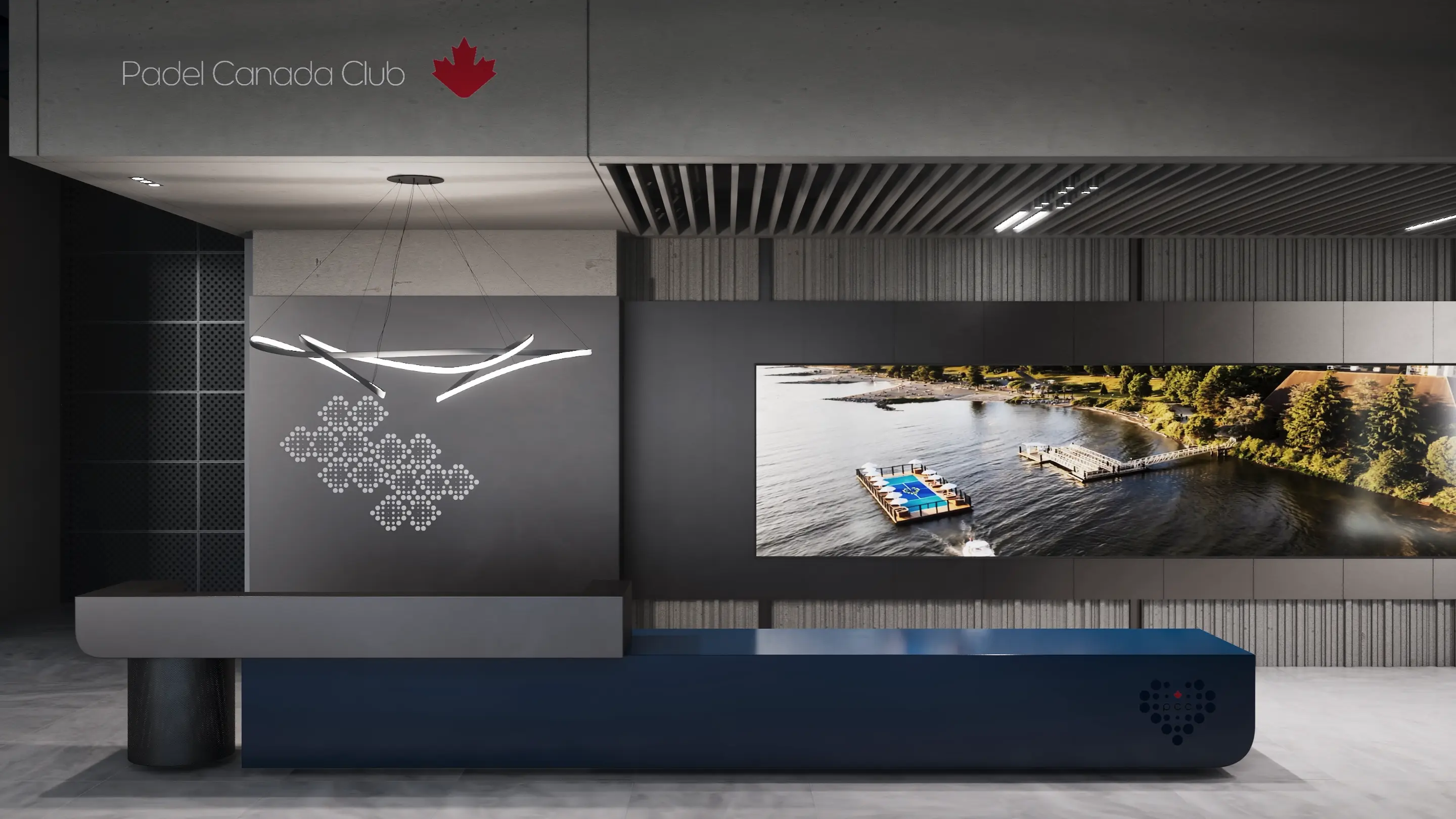
Conclusion: The Future of Architectural Visualization
Architectural visualization has evolved from static imagery into a dynamic, immersive communication system that reshapes how architecture is designed, experienced, and marketed. What once relied solely on still renders has expanded into real-time rendering environments, cinematic storytelling, and fully interactive virtual spaces that allow projects to be explored long before construction begins.
The shift from passive viewing to immersive spatial experiences reflects a deeper industry transformation. Clients no longer want to imagine space—they expect to navigate it. Developers no longer present fixed perspectives—they provide interactive platforms that allow buyers to engage directly with a project. Architects no longer wait for construction to validate ideas—they use real-time tools to test, refine, and optimize design decisions before breaking ground.
This evolution is not about abandoning static renders; it is about expanding capability. Still images remain foundational, but immersive and interactive technologies now define competitive advantage. In an era shaped by digital fluency and experiential expectations, visualization must operate as both a creative medium and a strategic instrument.
As CG, CGI, and real-time engines continue to advance, the boundary between the built environment and its digital counterpart will become increasingly fluid. Virtual environments will not merely represent projects—they will actively influence how architecture is conceived, communicated, and brought to market.
The future belongs to studios and developers who recognize that architectural visualization is no longer an accessory to architecture—it is an essential dimension of contemporary practice.